





It’s 2 a.m., and your teenager is still awake. Maybe it’s the faint glow of a screen under the door, the creak of floorboards as they pace, or the silence of someone lying rigid in bed, mind racing. They’re exhausted—dark circles, irritability, trouble focusing—but when bedtime arrives, sleep won’t come. This is the reality for many families navigating anxiety and insomnia in adolescence, a cycle that feeds on itself and leaves both teens and parents feeling helpless.
The relationship between worry and sleeplessness is bidirectional: heightened stress disrupts rest, and poor rest amplifies emotional reactivity the next day. For teenagers, whose brains are still developing and whose lives are packed with academic pressure, social navigation, and identity formation, this cycle can quickly spiral. Understanding how the two conditions reinforce each other—and how treatment breaks the pattern—is the first step toward helping your teen reclaim healthy sleep.

Why Anxiety and Insomnia Feed Each Other in Teenage Brains
Adolescent brains are uniquely vulnerable to the interplay between stress and sleep disruption. When a teen lies awake worrying, the body’s stress response activates: cortisol levels rise, heart rate increases, and the nervous system enters a state of hyperarousal. Racing thoughts at night often stem from unresolved academic concerns, replaying social interactions, or catastrophizing about the future—worries that feel manageable during the day but loom large when distractions disappear.
The next morning, sleep deprivation takes its toll. Teens who get insufficient rest show heightened amygdala activity, the brain region responsible for emotional processing, while the prefrontal cortex—which regulates impulses and perspective—functions less effectively. This means a teen who slept poorly is more reactive, more prone to worry, and less able to calm themselves down. The bidirectional relationship between anxiety and insomnia becomes self-reinforcing at the neurological level. The cycle repeats: stress disrupts sleep, poor sleep amplifies stress, and each night the pattern becomes more entrenched.
Recognizing Teen Insomnia Symptoms Beyond “I Can’t Sleep”
Parents often miss the early signs of sleep problems in teenagers because the symptoms don’t always look like classic insomnia. A teen may spend 9 hours in bed but still wake up unrefreshed, or they may fall asleep quickly but wake repeatedly during the night with anxious thoughts. Behavioral changes are often the first clue: increased irritability, withdrawal from family activities, declining grades, or a sudden drop in motivation. These shifts are easy to attribute to typical adolescent moodiness, but when paired with visible fatigue, they signal something deeper.
Physical symptoms accompany chronic sleep deprivation: headaches, stomachaches, difficulty concentrating in class, and declining academic performance.
It’s important to distinguish between the natural adolescent sleep phase delay—a biological shift that makes teens prefer later bedtimes—and anxiety-driven insomnia. A teen with a delayed phase may want to stay up until midnight and sleep until 9 a.m., but they fall asleep relatively quickly and feel rested with adequate hours. A teen with anxiety and insomnia lies awake for 30 minutes or more, mind racing, body tense, unable to “turn off” despite exhaustion. The difference is in the quality of the attempt to sleep, not just the timing.
- Lying awake for more than 30 minutes on most nights, unable to quiet the mind despite fatigue
- Expressing dread or anxiety about bedtime itself, anticipating another night of sleeplessness
- Daytime impairment: irritability, poor focus, declining academic performance, or social withdrawal
Evidence-Based Treatment Approaches for Anxious Teen Sleep
Cognitive behavioral therapy for sleep, specifically CBT-I (cognitive behavioral therapy for insomnia), is the gold standard treatment for adolescents struggling with sleep problems linked to worry. This structured, short-term therapy addresses the thoughts and behaviors that perpetuate the cycle. A therapist helps teens identify unhelpful beliefs—such as “I’ll never fall asleep” or “One bad night will ruin my whole week”—and replace them with more balanced perspectives. Behavioral components include stimulus control (using the bed only for sleep, not homework or scrolling), sleep restriction (temporarily limiting time in bed to build sleep drive), and relaxation techniques to calm the nervous system. With consistent treatment, many teens see improvement within 4–8 weeks.
For some teens, therapy alone is sufficient, especially when the pattern is recent and symptoms are moderate. Others benefit from intensive outpatient programs that provide multiple therapy sessions per week, family involvement, and coordinated care. These programs are appropriate when the pattern has persisted for months, when academic or social functioning has significantly declined, or when a teen expresses hopelessness about ever sleeping well again.
| Treatment Component | How It Helps Teens |
|---|---|
| Cognitive Restructuring | Challenges catastrophic thinking about sleeplessness and reduces anticipatory worry at bedtime |
| Stimulus Control | Retrains the brain to associate bed with sleep, not stress or screen time |
| Relaxation Training | Teaches progressive muscle relaxation and breathing techniques to calm hyperarousal |
| Sleep Restriction | Temporarily limits time in bed to consolidate sleep and rebuild natural sleep drive |
Medication is sometimes considered for adolescents, but it’s rarely the first line of treatment. Parents should know that sleep aids can create dependency and don’t address the underlying worry driving the insomnia. When medication is used, it’s typically short-term and paired with therapy.
How to Help a Teen With Sleep Anxiety at Home
Between therapy sessions, parents can reinforce healthy routines by creating a pre-sleep ritual—a warm shower, light stretching, or calming music. Validate your teen’s experience: “I know it’s frustrating when your mind won’t settle. Let’s work on strategies together.”
Natural Remedies for Anxious Sleep: What Actually Works
Many parents ask about natural remedies for anxious sleep, hoping to avoid medication. Some supplements, like magnesium or melatonin, can support relaxation or regulate circadian rhythms, but they should only be used under medical guidance and are not substitutes for therapy. The most reliable interventions are behavioral: consistent sleep schedules, reduced screen time, and stress management techniques learned through counseling.
When Professional Help Is Needed
Not every sleepless night requires clinical intervention, but certain red flags indicate it’s time to seek professional evaluation. The compounding effects of stress and sleep deprivation in adolescents can impair judgment, emotional regulation, and physical health, making early intervention essential. If sleep problems persist for more than three weeks despite efforts to improve sleep hygiene, if your teen experiences panic symptoms at bedtime, or if academic or social functioning declines noticeably, a mental health assessment is warranted. Teens who express hopelessness about ever sleeping well again, or who show extreme daytime fatigue affecting safety—such as drowsy driving or falling asleep in class—need immediate support.
Early intervention prevents the cycle from becoming entrenched. The longer the pattern persists, the more the brain learns to associate bedtime with stress, making treatment more complex. If your teen expresses thoughts of self-harm or you’re concerned about their immediate safety, call or text 988 to reach the Suicide & Crisis Lifeline, available 24/7.
| Warning Sign | Why It Matters | Next Step |
|---|---|---|
| Sleep problems lasting 3+ weeks | Indicates pattern is becoming chronic, not situational | Schedule a mental health evaluation |
| Panic symptoms at bedtime | Suggests anxiety disorder requiring clinical treatment | Seek therapy specializing in adolescent anxiety |
| Declining grades or social withdrawal | Signals functional impairment from sleep deprivation | Coordinate with a school counselor and therapist |
| Hopelessness about sleep | May indicate depression or severe anxiety | Immediate mental health assessment |
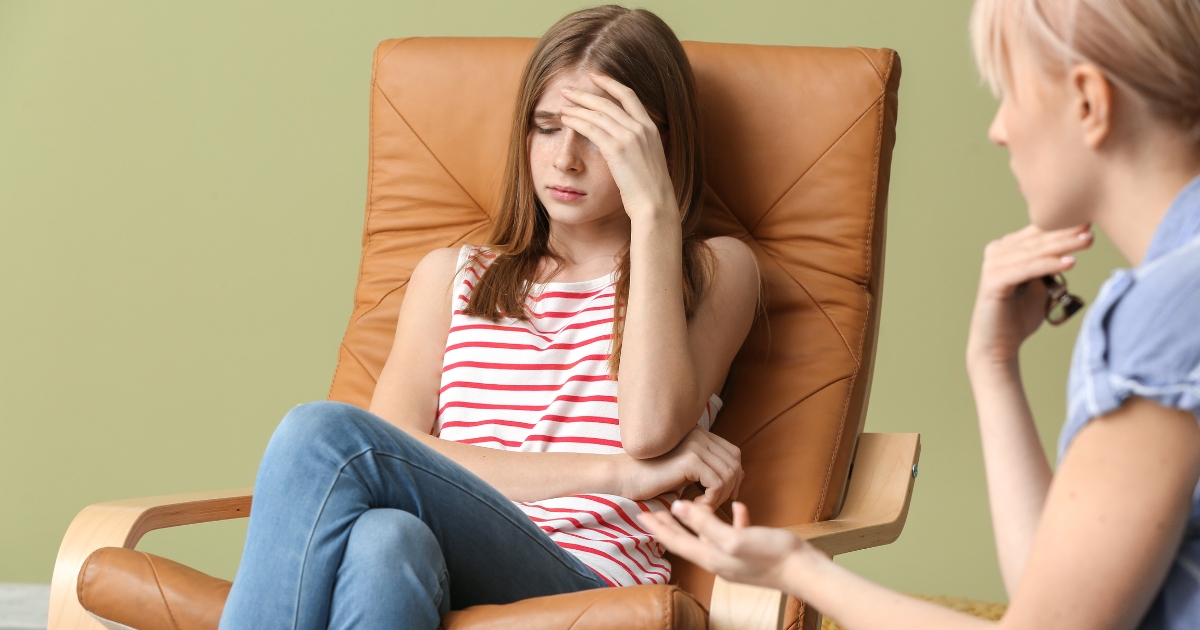
Rest Assured: Help Is Here at My Teen Mental Health
Breaking the cycle of anxiety and insomnia in adolescence is possible with the right support. At My Teen Mental Health, we specialize in treating the unique challenges teens face when worry disrupts their ability to rest. Our clinicians use evidence-based approaches tailored to the developmental needs of adolescents, and we involve families in the treatment process to create lasting change. If your teen is lying awake night after night, exhausted but unable to quiet their mind, professional help can provide the skills and support they need to reclaim healthy sleep. Contact us today to schedule an assessment and take the first step toward restful nights and brighter days.
FAQs
Parents navigating their teens’ sleep struggles often have similar questions about causes, treatment timelines, and when to seek help. Below are answers to the most common concerns about anxiety and insomnia in adolescents.
1. Why can’t my teenager fall asleep even when they’re exhausted?
When a teen is physically tired but mentally wired, the nervous system remains in a state of hyperarousal, often due to unresolved stress or worry. The brain continues processing concerns about school, friendships, or future uncertainties, triggering the fight-or-flight response that keeps the body alert. This physiological activation overrides the natural sleep drive, leaving your teen exhausted yet unable to transition into rest.
2. How do I know if my teenager’s sleep problems are caused by anxiety or just normal teen sleep patterns?
Normal adolescent sleep phase delay means preferring later bedtimes but still falling asleep within 30 minutes and feeling rested with adequate hours. Teen insomnia symptoms driven by worry involve lying awake with racing thoughts, physical tension, or rumination for over 30 minutes regularly, plus daytime impairment like irritability or concentration problems. The key difference is the quality of the attempt to sleep, not just the timing preference.
3. What causes racing thoughts at night in teenagers?
Racing thoughts typically stem from unprocessed stress that surfaces when external distractions disappear at bedtime. Teens often ruminate about academic performance, social situations, family concerns, or future uncertainties, while their developing brains struggle with emotional regulation and perspective-taking that would normally calm these worries. The quiet of nighttime removes the buffering effect of daytime activities, allowing anxious thoughts to dominate.
4. Can natural remedies help my teen with sleep anxiety, or do they need medication?
Many teens respond well to therapy-based approaches like cognitive behavioral therapy for insomnia combined with sleep hygiene improvements, relaxation techniques, and addressing underlying worry through counseling. Natural remedies like magnesium or melatonin may provide temporary support under medical guidance, but medication is typically reserved for severe cases after therapy has been tried. Skills learned in treatment offer long-term solutions rather than short-term symptom masking.
5. When should I seek professional help for my teenager’s stress and sleep deprivation?
Seek professional evaluation if sleep problems persist for more than three weeks, your teen experiences panic symptoms at bedtime, academic or social functioning declines noticeably, they express hopelessness about ever sleeping well, or you observe extreme daytime fatigue affecting safety, like drowsy driving. Early intervention prevents the cycle from becoming entrenched and addresses both the sleep disorder and any underlying worry fueling the pattern.