





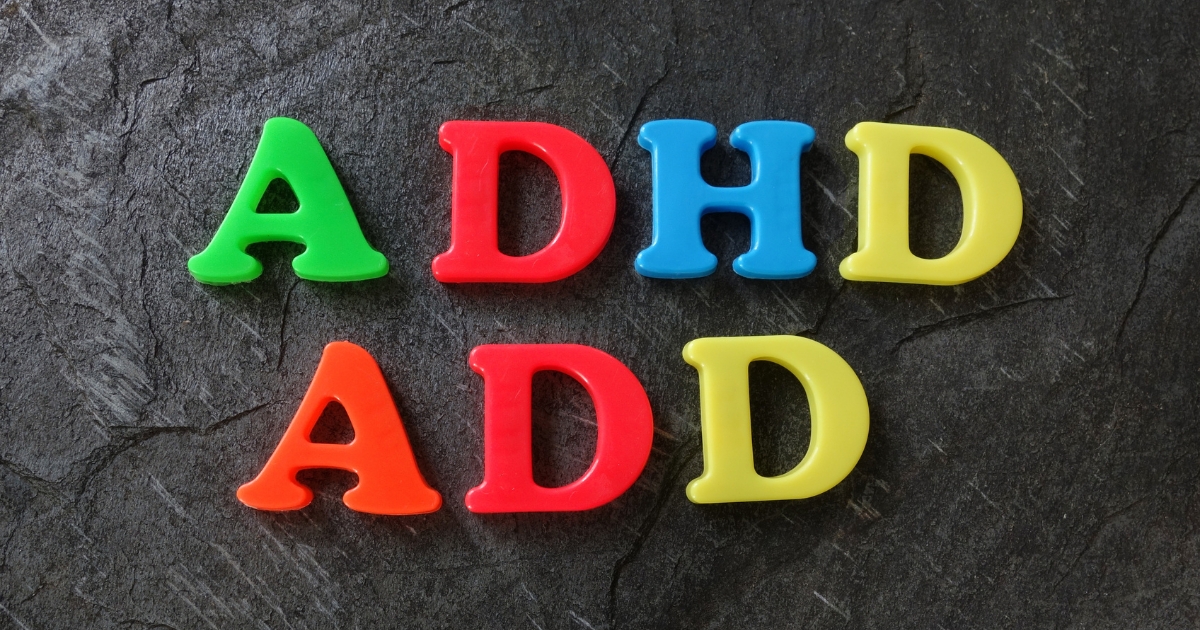
If you’ve been researching attention challenges online, you’ve probably seen both “ADD” and “ADHD” used to describe the same thing — and wondered “What’s the difference between ADHD and ADD?” The short answer: ADD is an outdated term that’s now part of the broader ADHD diagnosis. But understanding what changed, why it matters, and how these labels apply to your life as a teenager can help you make sense of symptoms that might be affecting your school performance, friendships, and daily routines.
This guide breaks down the terminology shift, explains the three types of ADHD recognized today, and walks you through what attention challenges actually look like in teen life — so you can figure out if what you’re experiencing is typical forgetfulness or something that deserves professional attention.
Why ADD Isn’t Used Anymore (And What Replaced It)
In 2013, the American Psychiatric Association updated the Diagnostic and Statistical Manual of Mental Disorders (DSM-5), which is the official guidebook mental health professionals use to diagnose conditions. The term attention deficit disorder has been used since the 1980s for people who struggled with focus but weren’t hyperactive. The new system placed all attention-related challenges under one umbrella: ADHD.
Why did ADD become ADHD? Understanding this comes down to evolving research: scientists realized that attention challenges, with or without hyperactivity, share the same neurological roots and respond to similar treatments, making it more accurate to classify them as presentations of one condition rather than separate disorders.
So what’s the difference between ADHD and ADD in clinical terms today? Instead of two different disorders, the DSM-5 introduced three presentations of the same condition. What used to be called ADD is now “ADHD, Predominantly Inattentive Type.” If you were diagnosed with ADD years ago, your diagnosis is still valid — the label just changed to reflect current science.
The Three Types of ADHD You Should Know About
ADHD subtypes and categories reflect different symptom patterns, though all involve challenges with executive function and self-regulation. The three presentations recognized today help clinicians tailor treatment and help you understand which challenges you’re actually facing.
ADHD Predominantly Inattentive Type
This is what people used to call ADD. Inattentive type ADHD explained: you struggle with focus, organization, and following through on tasks, but you’re not physically hyperactive. Teens with this presentation often seem daydreamy, lose track of conversations, and forget assignments despite caring about school. Starting tasks that require sustained mental effort feels overwhelming. Because you’re not disruptive in class, teachers and parents might not notice — they may just think you’re not trying hard enough.
ADHD Predominantly Hyperactive-Impulsive Type
This presentation involves physical restlessness and impulsive decision-making without attention challenges. You might fidget nonstop, interrupt people mid-sentence, struggle to wait your turn in conversations or activities, and feel like you’re driven by a motor. Teens with this type often get in trouble for talking out of turn or acting without thinking through consequences.
ADHD Combined Type
Combined type ADHD meaning: you experience significant symptoms from both categories — inattention and hyperactivity-impulsivity. This is the most commonly diagnosed presentation. You might zone out during lectures but feel restless sitting still, forget homework but blurt out answers, or hyperfocus on something interesting, then impulsively switch tasks.
The following points highlight some of the broader ways ADHD can affect adolescents:
- ADHD affects more than attention, influencing organization, time management, emotional regulation, and decision-making.
- Symptoms can vary significantly from one teen to another, which is why ADHD is not always recognized immediately.
- Academic struggles often stem from difficulties with executive functioning rather than a lack of intelligence or effort.
- Early recognition and appropriate support can help teens build effective coping strategies and improve long-term outcomes.
| ADHD Presentation | Core Challenge | Common Teen Scenario |
|---|---|---|
| Predominantly Inattentive | Sustaining focus and organization | Zoning out during class, missing assignment deadlines despite good intentions |
| Predominantly Hyperactive-Impulsive | Physical restlessness and impulse control | Can’t stay seated during study hall, blurts out comments that get you in trouble |
| Combined Type | Both attention and hyperactivity-impulsivity | Forgetting homework while also fidgeting nonstop and interrupting group conversations |
How ADHD Actually Shows Up in Your Daily Life as a Teenager
ADHD symptoms in teenagers often get dismissed as laziness, attitude problems, or just “being a teen.” But there’s a meaningful difference between typical adolescent distractibility and attention challenges that consistently interfere with your ability to function. The distinguishing factor: ADHD symptoms persist across settings, cause real problems despite your best efforts, and have been present since childhood.
If you’re asking, “What’s the difference between ADHD and ADD versus just normal teen stress and distraction?” consider whether your challenges are proportional to your peers. If most of your friends manage to turn in assignments on time with occasional slip-ups, but you’re consistently missing deadlines despite spending more time trying to get organized, that’s a signal. If everyone in your class zones out sometimes, but you’re the one who can’t follow the thread of a conversation even when you’re genuinely interested, that’s worth exploring.
When Stress Mimics or Worsens Attention Challenges
Sleep deprivation, academic pressure, anxiety, and depression can create attention problems that look like ADHD. If your focus issues started recently during a particularly stressful semester, or if they improve significantly when you’re well-rested and less anxious, the underlying issue might not be ADHD. Conversely, undiagnosed ADHD often leads to chronic stress, poor sleep, and secondary anxiety because you’re constantly struggling to meet expectations without understanding why everything feels harder for you than it seems for everyone else.
A professional evaluation can tease apart these overlapping factors and identify whether you’re dealing with ADHD, another condition, or both.
| Situation | ADHD vs Normal Forgetfulness |
|---|---|
| Losing your phone once during a hectic week | Normal — stress affects everyone’s attention |
| Losing your phone multiple times daily despite retracing steps and checking the same spots | Potential ADHD — working-memory challenges |
| Scrolling social media when you meant to study for 10 minutes | Normal — digital distraction is universal |
| Opening your laptop to start homework and realizing 3 hours later, you never started because you fell into a scroll loop | Potential ADHD — time blindness and difficulty with task initiation |
| Forgetting what your teacher said right after class ends | Normal — information overload happens |
Think You Might Have ADHD? Here’s How to Get Answers
If you’re wondering, “How do I know if I have ADHD?” the answer lies in whether your attention challenges are persistent, present across multiple settings, and significantly interfere with your functioning — not just occasional forgetfulness or distraction. Getting tested for ADHD as a teen starts with an honest conversation — usually with a parent, school counselor, or doctor. If talking to your parents feels intimidating, consider writing down specific examples of how attention challenges are affecting your grades, relationships, or daily life. Concrete examples help adults understand that this isn’t about wanting an excuse or trying to get out of responsibilities — it’s about figuring out why things that seem easy for other people feel impossibly hard for you.
A comprehensive ADHD evaluation for teenagers typically involves several components. You might complete rating scales or questionnaires, and some evaluations include cognitive testing to assess attention, working memory, and executive function.
The evaluation process also rules out other explanations for your symptoms. A thorough assessment identifies whether you meet criteria for ADHD, whether other conditions are present, and what combination of supports will help you function better.
Why does proper diagnosis matter? Because the strategies that help someone with ADHD are different from the strategies that help someone with anxiety-related attention problems or a learning disability. Trying to power through attention challenges without understanding their source often leads to years of frustration, low self-esteem, and underachievement — not because you’re not capable, but because you’re using tools that don’t match the actual problem.

Getting the Support You Deserve at My Teen Mental Health
Understanding the difference between ADHD and ADD is just the starting point. If attention challenges are affecting your school performance, relationships, or sense of confidence, you deserve answers and support — not more pressure to just try harder. At My Teen Mental Health, our clinicians specialize in adolescent ADHD evaluation and treatment, helping teens and families move from confusion and frustration to clarity and practical strategies that actually work. Reach out today to schedule a consultation and take the first step toward understanding your brain and building the skills that will help you thrive.
FAQs
Here are answers to the most common questions teens ask about ADHD terminology, diagnosis, and what it means for daily life.
1. Can you have ADHD without being hyperactive?
Yes, absolutely. ADHD Predominantly Inattentive Type involves attention and focus challenges without the hyperactivity component. Many teens, especially girls, have this presentation and go undiagnosed for years because they’re not disruptive in class.
2. Is it normal to be forgetful as a teen, or is it ADHD?
All teens forget things occasionally due to busy schedules, stress, and still-developing brains. ADHD-related forgetfulness is persistent, happens across multiple settings (school, home, activities), and significantly impacts your grades, relationships, or daily functioning despite your best efforts.
3. Can I get tested for ADHD without my parents knowing?
If you’re under 18, you’ll need a parent or guardian involved in the evaluation process since they’ll provide important information about your childhood symptoms and give consent for assessment. However, you can start the conversation by talking to a school counselor who can help facilitate the discussion with your parents.
4. Why do some people still say ADD instead of ADHD?
The term ADD was officially replaced in 2013 when the DSM-5 updated diagnostic criteria, but many people still use it out of habit or because they were diagnosed before the terminology changed. Both terms refer to the same condition, though ADHD is now the correct medical term with different subtypes.
5. Does having ADHD mean I’m not smart or can’t succeed in school?
Not at all. ADHD has nothing to do with intelligence — many highly successful people in every field have ADHD. It means your brain processes attention, impulse control, and executive function differently, which can be managed effectively with proper support, strategies, and sometimes treatment.