




Anxiety in teenagers often looks different from what parents expect. It does not always look like worry — it can look like irritability, avoidance, stomach aches before school, refusal to go places, or explosive reactions to seemingly small things. Helping a teenager with anxiety at home starts with understanding what you are actually dealing with and then building the daily practices and communication patterns that create genuine support rather than inadvertently reinforcing the anxiety. This guide covers what works and why.
Recognizing Anxiety Symptoms in Your Teenager
Anxiety disorders are the most prevalent mental health conditions in adolescents, affecting approximately one in three teenagers at some point. According to the National Institute of Mental Health (NIMH), anxiety disorders in adolescents are associated with significant academic impairment, social difficulties, and increased risk of depression and substance use when untreated — which is why recognizing the symptoms early is one of the most important things a parent can do.
Physical Signs That Signal Emotional Distress
Physical symptoms of anxiety that parents should recognize include:
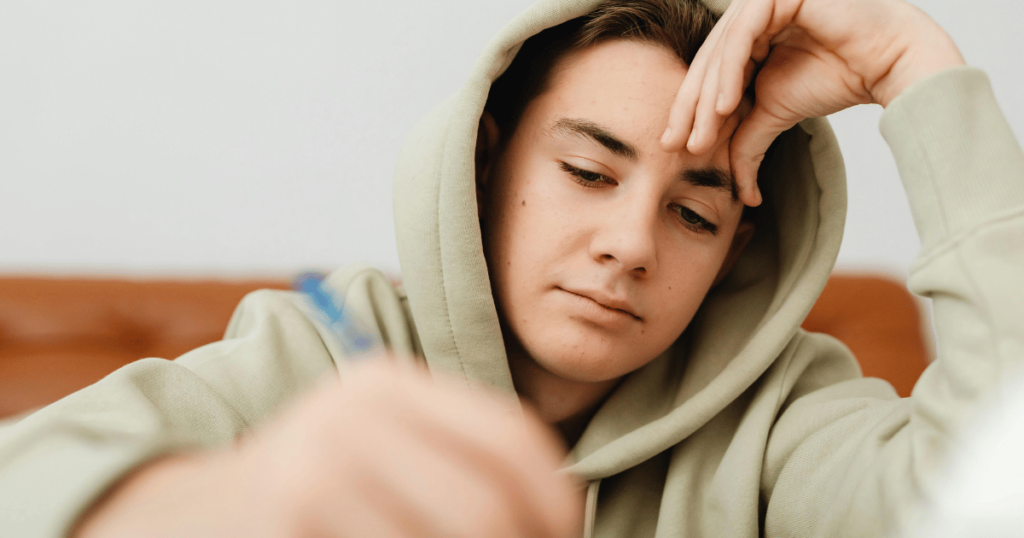
- Somatic complaints without medical cause. Recurring stomachaches, headaches, or nausea that cluster around specific situations like school mornings, social events, or performance situations.
- Sleep disruption. Difficulty falling asleep due to racing thoughts, frequent waking, or resistance to going to bed that is connected to worry about the next day.
- Fatigue. The physiological cost of sustained anxiety produces genuine exhaustion that is often mistaken for laziness or disengagement.
The Foundation of Calm Conversations With Anxious Teens
The way parents respond to an anxious teenager’s distress is one of the most powerful influences on whether the anxiety improves or escalates. Helping teenager with anxiety at home requires developing conversation patterns that validate the teen’s experience without reinforcing the anxiety — a balance that most parents find genuinely difficult and that is worth learning deliberately rather than approaching instinctively.
Creating a Safe Space for Open Dialogue
Creating the conditions for open dialogue with an anxious teenager involves:
- Timing conversations carefully. Attempting to discuss anxiety-provoking topics during or immediately after an anxiety episode rarely goes well. Calm, low-demand moments — a car ride, a walk — are more productive.
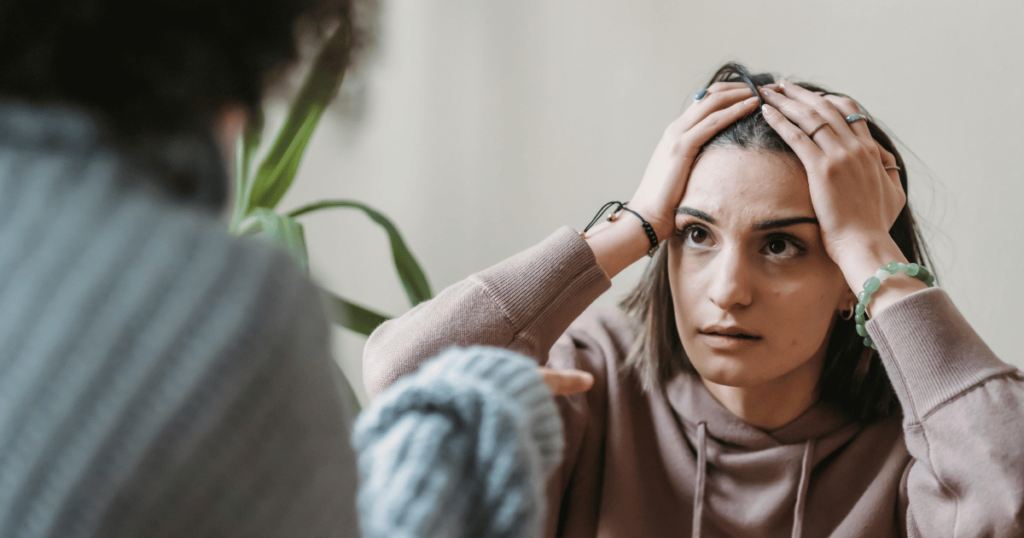
- Listening more than advising. The instinct to solve the problem is strong in parents, but anxious teens who feel listened to are more likely to continue communicating than those who receive immediate advice.
- Validating without catastrophizing. Acknowledging that the feared situation sounds difficult or stressful does not mean agreeing that it is as dangerous as the anxiety is suggesting.
Practical Breathing Exercises for Immediate Anxiety Relief
Breathing exercises are among the most immediately effective and most accessible tools for helping teenager with anxiety at home because they work through the physiology of the anxiety response rather than requiring complex cognitive processing. According to the NIH National Center for Complementary and Integrative Health (NCCIH), slow diaphragmatic breathing activates the parasympathetic nervous system and produces measurable heart rate reduction within two to three minutes, directly interrupting the physiological escalation of the anxiety response.
Box Breathing: A Method Teens Actually Use
Box breathing is one of the most teen-friendly anxiety management techniques because it is simple, symmetrical, and visually memorable — teens can picture drawing a box as they breathe. The technique: inhale for 4 counts, hold for 4 counts, exhale for 4 counts, hold for 4 counts. Repeat four times. The symmetrical structure is easy to remember and easy to use without external guidance, which is important for a technique that needs to work in real situations like a classroom, a social event, or a car before a stressful situation. The table below summarizes the breathing techniques with their steps and best use situations:
| Technique | Steps | Duration | Best For |
| 4-7-8 Breathing | Inhale 4, hold 7, exhale 8 | 3 to 4 cycles; under 3 minutes | Acute anxiety spikes; before sleep. |
| Box Breathing | Inhale 4, hold 4, exhale 4, hold 4 | 4 cycles; under 2 minutes | In-the-moment classroom or social anxiety. |
| Extended exhale | Inhale 4, exhale 6 to 8 | 5 minutes continuous | General anxiety reduction; daily practice. |
| Belly breathing | Slow diaphragmatic breath, hand on belly | 5 minutes daily | Building baseline awareness; younger teens. |
Daily Stress Management Routines That Work at Home
Daily routines are one of the most underutilized tools in helping teenager with anxiety at home because their impact is cumulative rather than dramatic. A teenager who gets adequate sleep, eats regularly, engages in daily physical activity, and has consistent downtime has a significantly lower baseline anxiety level than one whose days are irregular, overscheduled, and screen-dominated — even with the same genetic and psychological anxiety vulnerabilities. Building these routines requires family-level commitment rather than individual teen willpower.
Grounding Techniques Your Teen Can Practice Anywhere
Grounding techniques interrupt the forward-moving spiral of anxious thinking by anchoring attention to the present moment through sensory engagement:
- 5-4-3-2-1 sensory grounding. Name five things you can see, four you can hear, three you can touch, two you can smell, and one you can taste. Takes under two minutes and works anywhere.
- Cold water grounding. Splashing cold water on the face or holding ice activates the mammalian diving reflex, producing rapid heart rate slowing within seconds. Useful for acute anxiety spikes.
- Physical grounding. Pressing both feet firmly into the floor and focusing on the sensation of solid ground activates the proprioceptive system, interrupting dissociation and anxiety spiraling.
When to Consider Professional Anxiety Treatment Options
Professional treatment for teenager anxiety is warranted when home strategies and parental support have not produced adequate improvement over four to six weeks; when the anxiety is significantly impairing school attendance, academic performance, friendships, or family relationships; when the teen is using avoidance as the primary coping strategy; when physical symptoms are prominent and persistent; or when the teen’s own distress level is high regardless of visible impairment. Seeking professional support is not a sign that parental efforts have failed — it is a recognition that the anxiety has a clinical dimension that professional expertise and structured treatment can address more effectively than home support alone.
Supporting Your Teen’s Mental Health Journey at My Teen Mental Health
My Teen Mental Health provides comprehensive assessment and treatment for adolescent anxiety, including CBT, exposure therapy, and family-based support that equips parents with the tools they need to support their teenager’s recovery between clinical sessions. Helping teenager with anxiety at home is most effective when parents have clinical guidance about what to do and what to avoid.
Start building the support your teen needs today. Reach out to My Teen Mental Health to connect with a specialist who understands adolescent anxiety and can guide both you and your teen toward genuine relief.
FAQs
How long does box breathing take to calm an anxious teenager?
Box breathing produces measurable physiological calming — reduced heart rate and cortisol — within two to three minutes of consistent practice for most teenagers. The acute calming effect is available from the first practice because the parasympathetic mechanism does not require learning. What develops with regular practice is the automaticity and accessibility of the technique — the ability to remember to use it and deploy it quickly under real-world anxiety conditions, which typically takes two to four weeks of daily practice to build.
Can grounding techniques help teens manage anxiety symptoms without medication?
Yes. For mild to moderate anxiety, grounding techniques alongside other evidence-based coping strategies including breathing exercises, regular physical activity, and adequate sleep can produce meaningful symptom management without medication. For anxiety disorders that are significantly impairing functioning, professional treatment including CBT and potentially medication management produces better outcomes than coping strategies alone. Grounding techniques are most effective as components of a broader anxiety management approach rather than as standalone interventions for clinical presentations.
What is the difference between normal stress and clinical anxiety in teenagers?
Normal stress in teenagers is time-limited, connected to identifiable stressors, and resolves when the stressor passes. Clinical anxiety is persistent, often disproportionate to the objective stressor, and present even when specific triggers are not obviously present. The clearest distinguishing feature is impairment — clinical anxiety interferes with school attendance, social functioning, family relationships, or the teen’s ability to engage in activities they would otherwise value. Normal stress does not produce this level of consistent functional impairment.
How often should teens practice breathing exercises for best anxiety relief results?
Daily practice of two to five minutes produces the fastest development of automaticity and the most reliable availability of the technique under real anxiety conditions. Practicing once during a calm part of the day — before bed is a common and effective time — builds the skill. Practicing twice daily accelerates the learning. The goal is making the breathing response automatic enough that the teen can access it during actual anxiety, when the cognitive resources needed to remember and initiate an unfamiliar practice are most limited.
Which coping strategies work fastest for teenagers having panic attacks at home?
For acute panic attacks, the fastest-acting strategies are those that directly interrupt the physiological escalation of the panic response. Cold water on the face or wrists produces the fastest physiological response through the mammalian diving reflex — heart rate reduction begins within seconds. Extended exhale breathing is next fastest, with measurable parasympathetic activation within one to two minutes. Physical grounding by pressing feet into the floor interrupts the dissociation that amplifies panic. Having a parent present who is calm, non-alarmed, and gently encouraging is itself one of the most powerful acute interventions because social co-regulation directly calms the nervous system.