





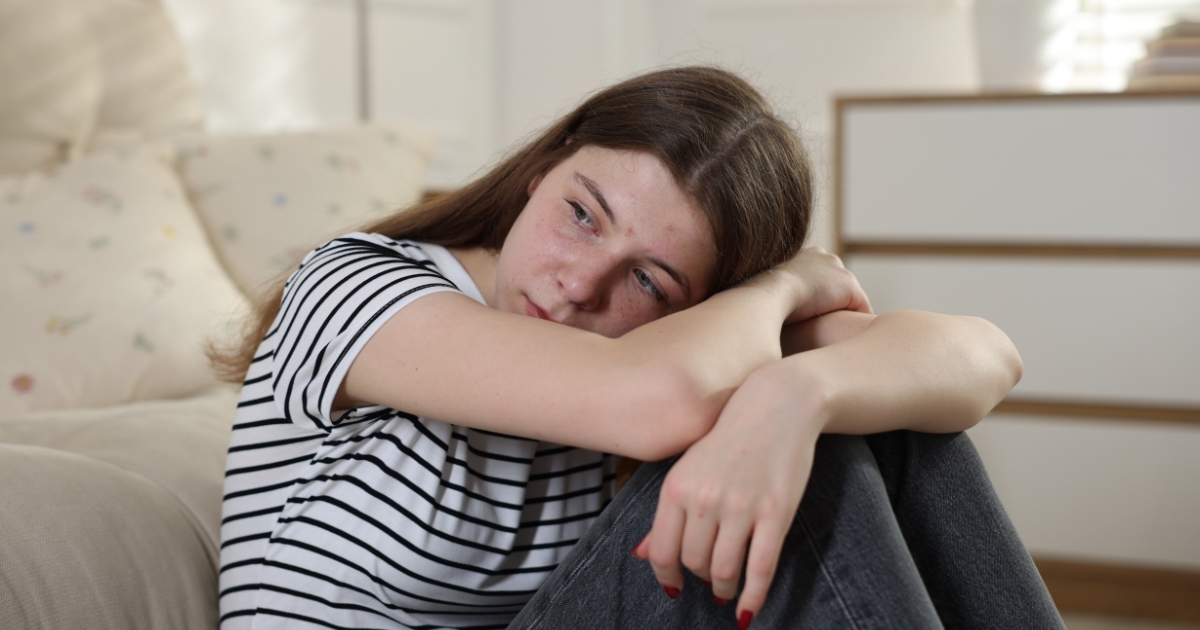
Sadness is a normal human emotion, and during the teenage years it can feel especially intense. Adolescence brings rapid brain development, shifting social dynamics, identity questions, and academic pressures that all contribute to emotional ups and downs. If you’ve been asking yourself “Why am I sad?” more often lately, you’re not alone. While feeling sad from time to time is part of growing up, persistent or overwhelming sadness deserves attention and support.
Understanding what causes sadness in teenagers is the first step toward feeling better. This guide explores common reasons teens experience sadness, how to distinguish temporary feelings from clinical depression, practical coping strategies, and when professional help makes a difference. Whether you’re a teen trying to make sense of your emotions or a parent wanting to support your child, recognizing the patterns behind these feelings opens the door to healing.
What Causes Sadness in Teenagers: Common Triggers
Friendship conflicts and feeling misunderstood by peers rank among the most painful experiences for teens. Betrayals, social exclusion, or the slow drift apart from once-close friends can leave adolescents feeling isolated and questioning their self-worth.
Academic pressure and chronic stress from overscheduled lives create a constant undercurrent of tension. Performance anxiety, fear of disappointing parents, and the weight of college admissions transform school into a source of dread.
Social media comparison fuels feelings of inadequacy as teens scroll through curated highlight reels, while cyberbullying and fear of missing out compound the effect. First heartbreaks and unrequited crushes trigger intense sadness as emotional vulnerability combines with limited relationship experience.
Identity exploration brings both excitement and confusion. Questions around sexuality, gender, personal values, and future direction are normal during adolescence, but the process of figuring out who you are can feel overwhelming. Teens may grieve the loss of their childhood self while not yet knowing who they’re becoming.
Hormonal fluctuations during puberty directly affect emotional regulation through changes in estrogen, testosterone, and cortisol levels. The adolescent brain’s prefrontal cortex—responsible for emotional control—is still developing, making it harder to manage intense feelings. Seasonal changes that reduce sunlight exposure can trigger mood shifts, while sleep deprivation and poor nutrition deprive the brain of resources needed for stable mood regulation.
| Sadness Trigger | Common Teen Experience | Typical Duration |
|---|---|---|
| Friendship conflict | Betrayal, exclusion, or growing apart from close friends | Days to weeks |
| Academic stress | Test anxiety, grade pressure, college admissions worry | Ongoing during school year |
| Social media comparison | Feeling inadequate after scrolling, FOMO, cyberbullying | Persistent with regular use |
Recognizing the Difference Between Sadness and Depression
Understanding the difference between sadness and depression helps teens and parents know when to seek professional support. Sadness is typically situational and temporary, arising in response to specific events like a breakup, argument, or disappointment. Depression, by contrast, is a persistent condition that colors every aspect of daily life regardless of external circumstances.
Duration provides an important clue. Depression lingers for two weeks or longer, creating a pervasive sense of hopelessness that doesn’t improve even when positive things happen.
Signs of depression in teens often look different than adult depression, with adolescents expressing it through irritability, anger, or risky behavior rather than obvious sadness. Parents and teens should watch for these warning signs:
- Withdrawing from activities and hobbies they previously enjoyed, including sports, music, or time with friends
- Significant changes in sleep patterns, either sleeping far more than usual or struggling with persistent insomnia
- Declining grades or sudden loss of interest in school, homework, or future planning
- Talking about feeling worthless, being a burden, or expressing suicidal thoughts even in passing
- Expressing feelings of hopelessness about the future or saying things won’t get better
- Physical complaints like frequent headaches or stomachaches with no clear medical cause
Depression is a medical condition involving changes in brain chemistry and neural pathways.
If you or someone you know is in crisis or expressing thoughts of suicide, call or text 988 to reach the Suicide and Crisis Lifeline, available 24 hours a day.
Immediate Strategies for Coping with Sadness
When sadness becomes overwhelming, having immediate tools makes a difference. You might be asking yourself why am I sad without finding clear answers—that’s when grounding techniques help most. The 5-4-3-2-1 method helps teens reconnect with the present moment: identify 5 things you can see, 4 things you can touch, 3 things you can hear, 2 things you can smell, and 1 thing you can taste. These grounding techniques are part of learning how to stop feeling sad when emotions spike—they don’t eliminate sadness permanently, but they provide immediate relief when you need it most.
Physical movement releases endorphins and shifts emotional states. A 10-minute walk around the block, dancing to a favorite song, or doing jumping jacks in your room can break the grip of intense sadness.
Creative outlets and connection strategies provide relief when emotions feel too big. Journaling without worrying about grammar or structure lets feelings flow onto paper. Texting a trusted friend, calling a supportive family member, or even sitting near others without needing to talk can ease loneliness and remind teens they’re not alone.
Healthy Distraction Versus Avoidance
Healthy distraction—watching a favorite show, playing with a pet, or baking—gives your mind a break while processing emotions. Avoidance behaviors like self-harm provide temporary relief but intensify sadness over time.
| Coping Strategy | How It Helps |
|---|---|
| Grounding techniques | Interrupts rumination by anchoring attention in sensory present-moment experience |
| Physical movement | Releases endorphins and metabolizes stress hormones accumulated during emotional distress |
| Creative expression | Provides a non-verbal outlet for processing complex emotions through art, music, or writing |
Breathing exercises activate the body’s natural calming response. Box breathing—inhaling for 4 counts, holding for 4, exhaling for 4, holding for 4—slows heart rate and reduces the physical tension that accompanies emotional distress. Teens can practice this technique anywhere without anyone noticing.
Self-compassion means talking to yourself the way you’d talk to a friend. Instead of harsh self-criticism when you’re struggling, try phrases like “this is really hard right now” or “it’s okay to feel this way.”
Coping with sadness through these strategies helps manage temporary feelings, but they’re not a substitute for professional support when needed. If sadness persists despite using these tools, interferes with daily functioning, or feels unmanageable, reaching out to a therapist is the next important step.
When to See a Therapist for Sadness
Knowing when to see a therapist for sadness can be confusing. If feelings persist for more than two weeks, interfere with school or friendships, or feel overwhelming despite coping strategies, reach out. You don’t need to wait until things feel “bad enough”—early intervention often prevents temporary sadness from developing into depression.
Therapy provides a confidential space to explore feelings without judgment. Evidence-based approaches like cognitive behavioral therapy help teens identify thought patterns contributing to sadness, while dialectical behavior therapy teaches emotion regulation skills for intense feelings.
Therapy isn’t just for “serious problems.” Teenage emotional health benefits from having a neutral third party to talk through everyday challenges, process identity questions, or learn coping skills before struggles become crises.

Finding Your Path Forward at My Teen Mental Health
Understanding why you are sad is an important first step, but you don’t have to navigate these feelings alone. At My Teen Mental Health, we specialize in helping adolescents work through sadness, build emotional resilience, and develop coping skills that last a lifetime. Whether you’re dealing with temporary sadness from a specific situation or persistent feelings that won’t lift, professional support makes a real difference. Contact My Teen Mental Health today to schedule a consultation and take the first step toward feeling like yourself again.
FAQs
The following are the most frequently asked questions regarding sadness and when to seek professional support.
1. Why am I sad for no reason?
Sometimes the question why am I sad doesn’t have an obvious answer, which can be confusing and frustrating. This can happen due to hormonal fluctuations during puberty, brain chemistry changes, accumulated stress you haven’t fully processed, or underlying factors like sleep deprivation and poor nutrition. Your feelings are valid even when you can’t pinpoint a specific cause, and seeking support helps you understand what’s happening beneath the surface.
2. How long should sadness last before I talk to someone?
If sadness persists for more than two weeks, interferes with daily activities like school or friendships, or feels overwhelming despite trying coping strategies, it’s time to reach out to a trusted adult or mental health professional. You don’t need to wait until things feel “bad enough”—early support often prevents temporary sadness from deepening into depression and helps you build skills for managing difficult emotions.
3. What should I say when talking to my parents about feeling sad?
Start with something simple like “I’ve been feeling really sad lately, and I’m not sure why” or “I need help dealing with some feelings I’m having.” Most parents want to help but may not know you’re struggling, and being direct—even if it feels uncomfortable—opens the door to getting the support you need. How to talk to parents about feeling sad doesn’t require perfect words, just honest communication.
4. Can sadness turn into depression if I don’t do anything about it?
While not all sadness becomes depression, persistent sadness without healthy coping strategies or support can increase vulnerability to developing depression. Addressing sadness early through healthy outlets, connection with supportive people, and professional help when needed builds resilience and emotional skills that protect teenage emotional health. Depression is treatable, and catching concerns early leads to better outcomes.
5. What if my friends don’t understand why I’m sad?
Not everyone will understand your experience, and that’s okay—what matters is finding at least one person who listens without judgment, whether that’s a different friend, family member, school counselor, or therapist. Your feelings are valid regardless of whether others fully grasp them. Connecting with people who “get it” makes a significant difference in feeling less alone and getting the support you need to work through difficult emotions.