Skip to content

Over the course of months and centuries, warm water has served as a restorative, healing, and relaxing device. Modern research helps explain why this simple practice has such a powerful influence on both mind and body.
The warm bath theory addresses the connection between the body and heat and water immersion and the way they interact to release stress, relaxation, and well-being. Relaxation of muscles, improved mental health, and better sleep are only a few of the positive attributes of warm baths that go far beyond comfort.
What Is the Warm Bath Theory?
According to the warm bath theory, when the body is put in warm water, physical and psychological effects can be aroused, which help in relaxation and emotional management. The warmth will lead to enlargement of blood vessels, contraction of muscles, and the alteration of the nervous system’s alertness state into a calm state.
Psychological studies have also been conducted to suggest that a warm bath is linked with feelings of being safe and emotionally comfortable. It is believed that this association is because of early sensory experiences with warmth, which the brain usually associates with care, rest, and security.
A combination of these physical and emotional reactions makes warm baths an effective, affordable relaxation and mental health intervention.
The History of Hydrotherapy and Relaxation Practices
The application of water in therapy has a long tradition, thousands of years long. The Romans, the Greeks, and the Japanese are some examples of ancient civilizations or peoples that constructed public baths, and they served as a hygienic factor, as well as a social bond and a healing place.
Warm water was traditionally supposed to:
- Improve blood circulation
- Ease muscle tension and pain
- Calm the mind and spirit
Many of these long-held beliefs have been backed by modern science, giving the warm bath theory a good physiological base.
How Warm Water Promotes Tension Release and Muscle Recovery
There is a direct effect of warm water on the musculoskeletal system. Heat enhances the elasticity of tissues, and the muscles are able to relax, and the accumulated tension in the muscles is then released. This causes a warm bath to be specifically effective in the recovery of the muscles following intense physical activity or stress.
Key benefits include:
- Reduced muscle stiffness.
- Improved joint mobility.
- Improved post-exercise recovery.
The indirect benefit of warm baths to mental relaxation is that by alleviating physical pain, the body and mind relax together.
The Connection Between Warm Baths and Mental Health
Warm baths are not just physically comfortable; they can also be useful in promoting mental health in a significant way. When the body is placed in warm water, the nervous system goes to a more relaxed state so that the body does not respond to stress. This physical shift will be able to facilitate the calming of anxious thoughts, emotional regulation, and a sense of mental clarity.
Observations in psychology and neuroscience have shown that a sense of safety and emotional comfort are directly linked to warmth. Warm baths may be a very simple and approachable stress reliever for people who are affected by stress and anxiety on a regular basis or are simply tired of their emotions.
Although warm baths are not meant to substitute mental treatment, they can be used to supplement the therapeutic practice and assist people in resting, re-identifying with their bodies, and making a deliberate act of relaxation.
How Warm Baths Support Mental Wellbeing
The psychological and physiological effects of warm baths are combined to result in the mental health benefits. Some of the most important ways through which warm baths can have a positive effect on emotional well-being and stress management are as follows.
| Mental Health Benefit | How Warm Baths Help |
| Stress relief | Activates the parasympathetic nervous system, helping the body move out of fight-or-flight mode |
| Anxiety reduction | Warmth signals safety to the brain, promoting relaxation and emotional calm |
| Emotional regulation | Supports balanced mood by reducing physical tension and mental overload |
| Improved sleep | Helps regulate body temperature and encourages melatonin release |
Stress Relief Through Temperature Regulation
Temperature regulation plays a key role in stress relief. When the body is exposed to warm water, sensory receptors send signals to the brain that encourage relaxation and calm.
This process:
- Slows heart rate
- Reduces muscle tension
- Signals safety to the nervous system
Using Warm Baths for Sleep Improvement
Among the best-reported advantages of warm baths, the effect of sleep improvement can be noted. With the lowering of the body temperature out of the bath:
- Melatonin production increases
- Sleep onset becomes easier
- Sleep quality may improve
Practical Tips for Maximizing Relaxation Benefits
Consistency and intention are important to derive the maximum benefits of warm baths. Even minor changes may boost the relaxation process to a great extent.
Helpful tips include:
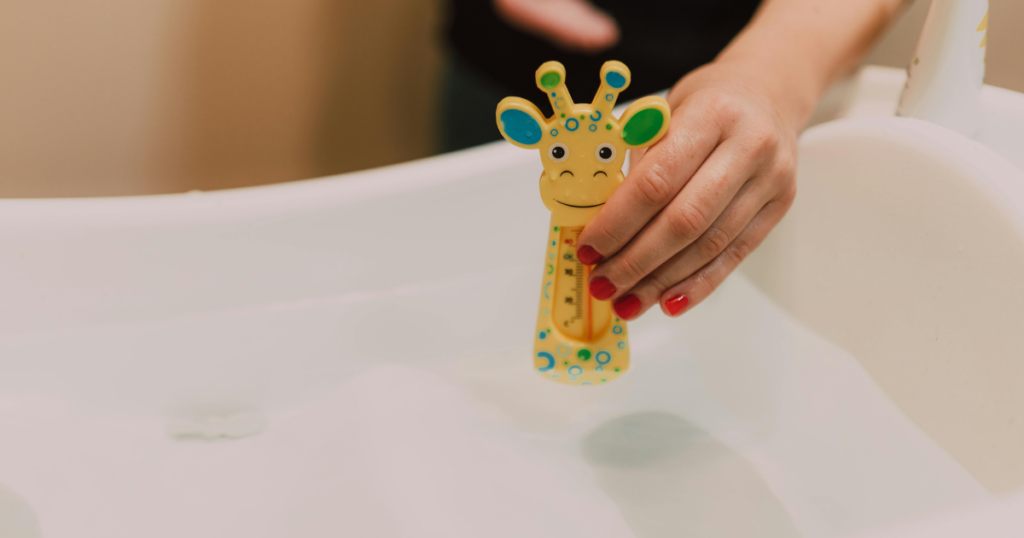
- Do not boil, only warm (100-104 °F) water.
- Limit bath time to 20 to 30 minutes
- Low light is used to tone down the stimulation of the senses.
- Include some relaxing factors such as soft music or aroma oils.
Using warm baths mindfully can turn a simple routine into a powerful form of tension release and self-care.
Explore Holistic Wellness Support at My Teen Mental Health
Although warm baths have significant relaxation value, they can be best applied in combination with more comprehensive psychological assistance. To adolescents and families in distress, facing stress, anxiety, or emotional issues, professional advice may help in clarity and provide permanent tools.
My Teen Mental Health provides evidence-based care with a caring approach that embraces emotional well-being in a holistic perspective. Their practice assists people in creating healthy coping mechanisms as they deal with the underlying factors that influence mental health.
Contact My Teen Mental Health to get help!

FAQs
1. What Is the Warm Bath Theory and How Does It Promote Relaxation?
The theory of warm bath provides a discussion of the physiological and psychological processes that are activated by warm water immersion to soothe the nervous system. These reactions encourage stress reduction, emotional comfort, and relaxation.
2. Can Hydrotherapy Improve Blood Circulation and Muscle Recovery?
Yes. Hydrotherapy helps in enhancing the blood circulation by dilating the blood vessels that aid in oxygenation of the blood and in the recovery of the muscles. This will aid in decreasing the rigidity and bringing about physical relaxation.
3. How Do Warm Baths Contribute to Sleep Improvement?
Warm baths are known to keep the body temperature at the right level, and this assists in the production of melatonin, making the body ready to fall asleep. A pre-bedtime bath may enhance the onset of sleep and the quality of sleep.
4. Is the Warm Bath Theory Supported by Scientific Research?
Yes. Psychological studies, physiological studies, and sleep science demonstrate the positive effects of warm baths on relaxation. As a result, it reduces stress and improves mental well-being.
5. How Often Should Someone Use Warm Baths for Stress Relief and Mental Health Benefits?
The warm baths may be taken a number of times in a week, as it may depend on personal preferences and medical requirements. Frequency alone is not important, but consistency is what should be applied to the long-term benefits.