Skip to content

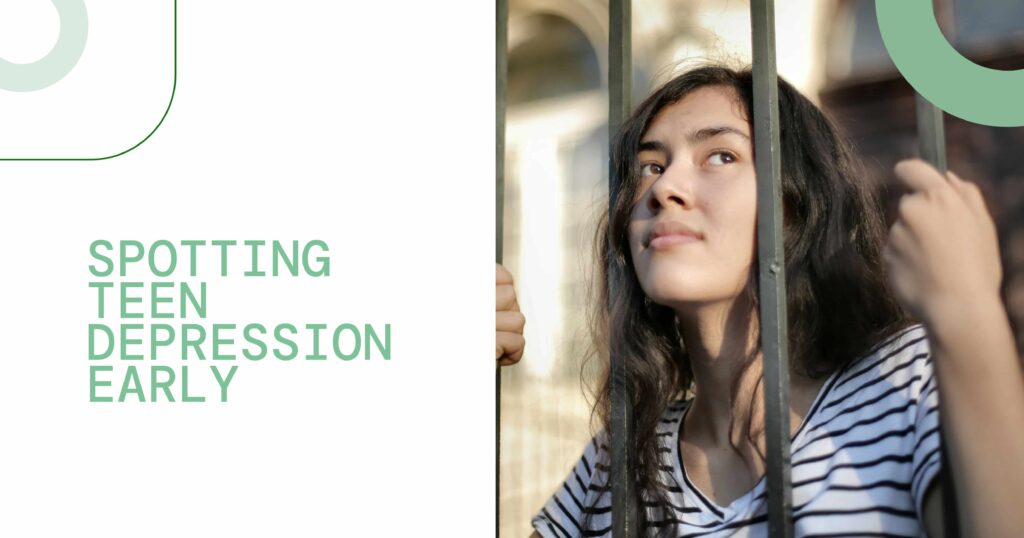
Teenagers go through countless changes as they transition from childhood to adulthood. While many of these changes are normal, some can signal deeper struggles. Signs of depression in teens often hide behind everyday moodiness or school stress, making it difficult for parents and caregivers to recognize them. Spotting these early signs is critical—early intervention can make the difference between years of silent suffering and a path toward healing.
In this blog, we’ll explore how to identify the emotional, behavioral, and physical indicators of depression in teens, how social and family factors contribute, and when it’s time to seek professional support.
Signs of Depression in Teens
Recognizing adolescent depression symptoms can be challenging because they overlap with typical teenage behaviors like irritability or withdrawal. However, when these behaviors become persistent and interfere with daily life, they may point toward something more serious.
Common teenage mood swings are usually short-lived and linked to specific situations, like a poor grade or an argument with friends. In contrast, depression creates long-lasting changes in mood, outlook, and motivation. Parents might notice their teen struggling with emotional distress, withdrawing from once-loved activities, or showing a sudden drop in school performance.

According to the National Institute of Mental Health (NIMH), approximately 17% of U.S. adolescents experience at least one major depressive episode by age 18. Recognizing these signals early allows for timely intervention and better outcomes.
Identifying Emotional Changes in Teens
Emotional changes are one of the clearest indicators of depression in young people. Unlike fleeting sadness, depression leads to persistent feelings of emptiness, worthlessness, or hopelessness. Teens may express:
- A constant negative self-view.
- Heightened sensitivity to rejection.
- Intense guilt over small mistakes.
Parents often describe their child as seeming “like a different person.” They may stop laughing at jokes, lose interest in activities they once loved, or spend hours isolated in their room. Teenage anxiety also frequently overlaps with depression, leading to overwhelming worry and panic.
While every teen has ups and downs, the key is persistence. If low moods or emotional withdrawal last longer than two weeks, it could point toward youth mental health concerns rather than typical teenage angst.
Recognizing Behavioral Signs of Teen Depression
Behavioral changes often reveal what emotions can’t. Depressed teens may not always say they’re struggling, but their actions provide clues. Look for the following patterns:
- School Performance Decline. Slipping grades, missed assignments, frequent absences
- Teenage Social Withdrawal. Avoiding friends, family gatherings, or group activities.
- Risk-Taking Behavior. Reckless driving, substance use, or unsafe sexual activity
- Sleep Pattern Disruptions. Staying up all night or excessive daytime sleeping.
- Loss of Motivation. Refusing to engage in sports, clubs, or hobbies once enjoyed.
These behaviors signal more than just rebellion; they’re warning signs that your teen may be overwhelmed by emotional distress they cannot express verbally.
Understanding Physical Symptoms of Depression in Adolescents
Depression doesn’t only affect the mind; it manifests in the body as well. Many parents mistake these physical issues for laziness or lack of discipline when, in fact, they are adolescent depression symptoms.
Here’s a helpful breakdown:
| Physical Symptom | What It Might Indicate | Why It Matters |
| Constant fatigue | Low energy & poor motivation | Teens may appear unmotivated when they’re actually exhausted |
| Headaches & stomachaches | Stress and depression-related tension | Often misdiagnosed as purely medical issues |
| Changes in appetite | Eating too little or too much | Linked to weight changes and self-esteem struggles |
| Sleep disturbances | Insomnia or oversleeping | Poor rest worsens teenage mood swings and school performance |
If your teen regularly complains about aches, fatigue, or sleep problems without a clear medical cause, these may be red flags for youth mental health struggles. The Mayo Clinic notes that physical symptoms are often overlooked but play a major role in identifying depression.
The Role of Social Factors in Teen Depression
Teenagers are heavily influenced by their social environment. Issues like bullying, peer rejection, or social isolation can trigger or worsen emotional distress in teens. Teenage social withdrawal often signals that a teen feels unsafe, misunderstood, or disconnected.
Social media also contributes to depression, with constant comparison and exposure to cyberbullying intensifying feelings of inadequacy. Parents should pay close attention to their child’s friend groups, online behavior, and peer interactions, as these social dynamics are potent predictors of teen behavioral changes.
Distinguishing Between Normal Teen Angst and Depression
All teens experience periods of rebellion and moodiness, but distinguishing between normal angst and signs of depression in teens is essential. Normal angst is temporary, situation-based, and doesn’t significantly disrupt daily life. Depression, however, is persistent, pervasive, and life-altering.
Here’s the key difference: if your teen’s struggles last longer than two weeks, interfere with relationships, or lead to significant school performance decline, they may be dealing with more than just “normal” teen behavior.
Depression is not a phase, it’s a mental health condition that requires compassion and often professional help.
How Family Dynamics May Contribute to Teen Depression
The home environment plays a significant role in shaping a teen’s mental health. Unresolved family conflict, inconsistent parenting, or lack of emotional support can increase vulnerability to adolescent depression symptoms. Teens exposed to neglect or high-stress households often struggle more with emotional distress than those in stable environments.
On the other hand, open communication, warmth, and supportive family relationships serve as protective factors. Families that normalize conversations about youth mental health give their teens the confidence to seek help without fear of judgment.
It’s important for parents to reflect on their own communication styles and stress levels—sometimes adjusting the home environment can significantly reduce a teen’s behavioral changes linked to depression.
Seek Professional Help for Teen Depression at My Teen Mental Health
If you notice persistent signs of depression in teens, don’t wait to seek guidance. Early professional intervention can prevent worsening symptoms and reduce the risk of long-term consequences.
Consider reaching out for help if your teen expresses hopelessness or talks about death, shows severe withdrawal from friends and family, experiences a dramatic drop in grades or motivation, or engages in self-destructive behavior.
Professional treatment may involve therapy, medication, or a combination of both. Parents should consult a pediatrician, psychologist, or licensed counselor. The My Teens Mental Health provides a helpline to connect families. If your teen is showing warning signs, don’t wait. Contact My Teen for support today and take the first step toward recovery.

FAQs
What are common adolescent depression symptoms parents should watch for?
Persistent sadness, irritability, fatigue, and loss of interest in activities are key indicators. Parents should also watch for school performance decline and teenage social withdrawal.
How can teenage mood swings indicate underlying mental health issues?
Frequent or extreme teenage mood swings, especially when paired with hopelessness or lack of motivation, may signal underlying depression or teenage anxiety. Monitoring the duration and intensity of these shifts helps distinguish normal moodiness from deeper concerns.
What role does teenage social withdrawal play in youth mental health?
Withdrawing from peers and family is often a coping mechanism. However, consistent teenage social withdrawal can worsen loneliness and make depression more severe.
How can emotional distress in teens impact school performance?
Ongoing emotional distress in teens leads to concentration problems, fatigue, and reduced motivation, which often result in falling grades. Addressing the root cause of these struggles can restore both confidence and academic achievement.
What are the behavioral changes to look for in teen anxiety and depression?
Key teen behavioral changes include risk-taking, substance use, sleeping issues, and refusal to engage in once-enjoyed activities. Recognizing these shifts early can prevent more harmful patterns from developing.