




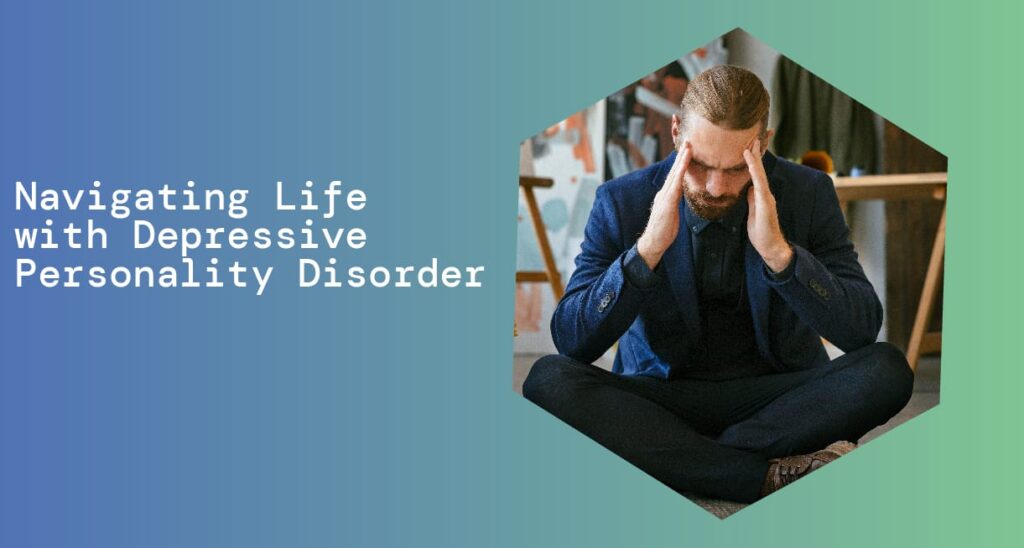
Have you ever felt like sadness isn’t just something you experience from time to time – but rather, a state of mind that seems woven into your daily life? For some people, this persistent heaviness is not simply a reaction to a bad week or stressful event, but a deeply ingrained emotional pattern that shapes how they see themselves and the world. When that emotional landscape becomes constant, it may point to a condition known as depressive personality disorder – a long-term pattern of low mood, self-criticism, and emotional pain that goes beyond typical ups and downs.
Depressive personality disorder is not just a passing phase or mild sadness; it’s a complex mood disorder that affects thoughts, feelings, and relationships over time. While it can resemble chronic depression, this condition is more personality-based – meaning that the negative self-view and emotional instability often begin early in life and persist without clear external triggers.
This article explores what it means to live with depressive personality disorder, how it manifests through depressive symptoms, and why understanding these patterns is the first step toward healing. We’ll look at how low self-esteem, persistent sadness, negative thinking, and interpersonal difficulties influence everyday functioning, and how therapy, self-awareness, and compassion can empower individuals to rewrite the narrative of their mental health.
Recognizing Depressive Symptoms and Their Impact
One of the most challenging aspects of depressive personality disorder is that its symptoms often blend seamlessly into a person’s sense of self. People may describe themselves as “naturally pessimistic,” “hard on themselves,” or “emotionally sensitive,” without realizing these traits are tied to a diagnosable mental health condition.

Common depressive symptoms include:
- Constant feelings of sadness or emptiness that persist for months or years.
- Harsh self-criticism and guilt, even over small mistakes.
- A tendency to focus on negative experiences over positive ones.
- Fatigue and low motivation despite adequate rest.
- Difficulty accepting praise or acknowledging personal strengths.
According to the National Institute of Mental Health (NIMH), long-term depressive traits can interfere with work, relationships, and self-image, often leading to isolation. Recognizing these patterns early allows for timely intervention – whether through therapy, lifestyle changes, or support systems that help reframe self-perception.
| Symptom | Description | Emotional Impact | Behavioral Result |
| Chronic Sadness | Ongoing low mood not tied to external events. | Fatigue, hopelessness. | Social withdrawal. |
| Self-Criticism | Harsh self-judgment and guilt. | Low confidence, shame. | Avoidance of new challenges. |
| Negative Thinking | Focus on worst-case scenarios. | Anxiety, rumination. | Difficulty enjoying achievements. |
| Emotional Instability | Rapid shifts in mood intensity. | Overwhelm, irritability. | Strained communication. |
| Low Self-Esteem | Persistent belief of being “not enough.” | Insecurity, fear of rejection. | Dependency or isolation. |
These symptoms can fluctuate but rarely disappear without treatment. However, with understanding and professional help, individuals can learn to manage their emotional patterns and rediscover self-worth.
Exploring the Nature of Mood Disorders
To understand depressive personality disorder, it’s helpful to see where it fits among other mood disorders. While major depression and bipolar disorder are episodic – meaning symptoms come and go – depressive personality traits tend to be stable over time, coloring nearly every emotional experience.
People with depressive personality patterns often report that they have “always been this way,” struggling with persistent sadness or pessimism since adolescence. Yet, this chronic pattern doesn’t mean change is impossible. Psychotherapy can help individuals challenge deep-rooted beliefs and identify thought patterns that reinforce emotional pain.
Core aspects of mood disorders include:
- Altered brain chemistry impacting serotonin and dopamine levels.
- Genetic predisposition combined with environmental factors.
- Cognitive distortions, such as overgeneralization or catastrophizing.
- Behavioral avoidance that maintains negative thought loops.
According to the Mayo Clinic, mood disorders often improve with a mix of therapy, medication, and consistent emotional support – proof that while predispositions may exist, transformation is achievable through guided care and self-awareness.
Chronic Depression vs. Persistent Sadness
While chronic depression and depressive personality disorder share overlapping symptoms, there are key distinctions. Chronic depression – often referred to as dysthymia or persistent depressive disorder – is a medical diagnosis tied to biological and chemical imbalances. Depressive personality traits, on the other hand, are more ingrained in one’s emotional and cognitive identity.
Key differences between chronic depression and personality-based sadness include:
- Duration: Both are long-term, but depressive personality symptoms often precede adolescence and continue into adulthood.
- Response to Treatment: Chronic depression may respond faster to antidepressants, while personality traits require deeper therapeutic work.
- Self-Concept: Individuals with personality-based depression often see their sadness as part of “who they are,” not something they experience temporarily.
Despite these nuances, both conditions deserve compassion, understanding, and treatment. The line between the two is not rigid, and many people benefit from a blended approach that addresses both the biological and psychological sides of their pain.
| Aspect | Chronic Depression | Depressive Personality Disorder | Treatment Focus |
| Onset | It can appear after life events or trauma. | Often develops early in life. | Long-term psychotherapy. |
| Duration | Persistent, but may have remissions. | Lifelong pattern without treatment. | Cognitive restructuring and self-compassion. |
| Self-View | “I feel depressed.” | “I am a depressed person.” | Identity reformation. |
| Treatment Response | Responds well to medication and therapy. | Requires insight-based, consistent therapy. | Integrative and personalized care. |
| Emotional Awareness | Recognizes mood changes as symptoms. | Views sadness as a personality trait. | Emotional differentiation. |
The Role of Low Self-Esteem in Depression
Low self-esteem is both a symptom and a sustaining factor in depressive personality disorder. When a person’s inner dialogue constantly reinforces feelings of inadequacy, it becomes nearly impossible to build confidence or form secure relationships.
Children who grow up in overly critical or emotionally inconsistent environments are more likely to internalize shame, creating an identity centered around “never being good enough.” As adults, this belief system manifests as self-sabotage, perfectionism, or fear of vulnerability.

Ways to begin improving self-esteem include:
- Practicing daily affirmations rooted in truth rather than perfection.
- Reframing failures as opportunities for growth.
- Surround yourself with supportive and validating people.
- Challenging inner criticism with evidence of your worth.
- Setting small, achievable goals that reinforce self-trust.
Rebuilding self-worth takes time, but therapy – particularly cognitive behavioral therapy (CBT) or schema-focused approaches – helps individuals recognize and rewrite harmful self-beliefs.
Emotional Instability and Its Connection to Negative Thinking
Emotional instability is a hallmark of many mood disorders, including depressive personality disorder. This instability stems from a mix of cognitive distortions and underlying insecurity, leading to quick shifts from hopefulness to despair.
For instance, someone might feel optimistic after receiving praise but spiral into self-doubt after a small critique. This sensitivity often traces back to negative thinking patterns formed over years of self-judgment and unmet emotional needs.
Common examples of negative thinking patterns include:
- “If I’m not perfect, I’m a failure.”
- “People only tolerate me out of pity.”
- “Nothing good ever lasts.”
- “I’ll never be happy no matter what I do.”
Identifying and reframing these thoughts through CBT or mindfulness can dramatically reduce mood swings and emotional distress. With consistent practice, individuals learn that emotions are temporary, not defining truths.
Interpersonal Difficulties in the Context of Mood Disorders
Relationships can feel like walking a tightrope for someone living with depressive personality disorder. Fear of rejection, chronic guilt, and low self-worth often lead to over-apologizing, people-pleasing, or emotional withdrawal. Over time, these habits strain connections and reinforce feelings of loneliness.
Interpersonal difficulties may appear as:
- Difficulty trusting others or accepting affection.
- Assuming others are disappointed or frustrated with them.
- Feeling burdensome in friendships or romantic relationships.
- Pushing people away when emotional needs feel too intense.
- Overanalyzing social interactions for signs of rejection.
Therapy, especially interpersonal therapy (IPT), helps individuals recognize these patterns and build healthier communication habits. By practicing self-acceptance, setting boundaries, and learning emotional regulation, relationships can shift from sources of anxiety to spaces of safety and connection.
Keep Moving Toward the Light
Living with depressive personality disorder can feel like walking through a world permanently shaded in gray, but every small act of awareness brings more color into view. Healing begins with understanding – not self-blame – and continues through consistent, compassionate effort. Whether it’s therapy, journaling, or reconnecting with loved ones, each step is a reminder that change is possible.
To explore more mental health resources and practical strategies for emotional growth, visit My Teen Mental Health. Their guides provide hopeful, research-backed support for individuals and families learning to navigate life with compassion, courage, and clarity.
FAQs
1. What are the common depressive symptoms associated with chronic depression and mood disorders?
Common symptoms include persistent sadness, fatigue, feelings of worthlessness, and loss of interest in activities. These can also include changes in sleep, appetite, and motivation that interfere with daily life and emotional stability.
2. How does persistent sadness differ from other forms of mood disorders?
Persistent sadness tends to be long-term and stable, while mood disorders like bipolar disorder fluctuate between highs and lows. It reflects a constant, underlying low mood rather than cyclical emotional changes.
3. In what ways does low self-esteem contribute to emotional instability in individuals with depression?
Low self-esteem fosters self-doubt and hypersensitivity to criticism, which heightens emotional reactions. Over time, these insecurities make it harder to maintain stability or form trusting relationships.
4. How can negative thinking patterns exacerbate symptoms of mood disorders?
Negative thinking reinforces hopelessness, fuels anxiety, and reduces motivation to seek help or make changes. Challenging these patterns with therapy helps restore balance and self-compassion.
5. What are the interpersonal difficulties commonly faced by individuals with depressive symptoms?
People with depressive traits often struggle with fear of rejection, dependency, or isolation. These patterns can create cycles of misunderstanding, but with awareness and therapeutic support, relationships can become a source of healing rather than pain.