





When your teenager starts avoiding school, withdrawing from friends, or experiencing physical symptoms that doctors can’t explain, you may be witnessing something more serious than typical adolescent stress. Extreme anxiety in teens looks different from everyday worry — it disrupts sleep, derails academic performance, and can make previously manageable situations feel impossible. This condition affects both the teen experiencing overwhelming fear and the parents watching their child struggle, often leaving families unsure where the line between normal development and clinical concern actually falls.
Recognizing the signs of severe anxiety in your teen and knowing the answer to a critical question — when to seek help for anxiety — can make the difference between years of suffering and effective recovery. This guide walks parents and teens through the internal experience of this condition, the external warning signs, evidence-based solutions, and clear pathways to specialized support.
What Extreme Anxiety Actually Feels Like for Teenagers
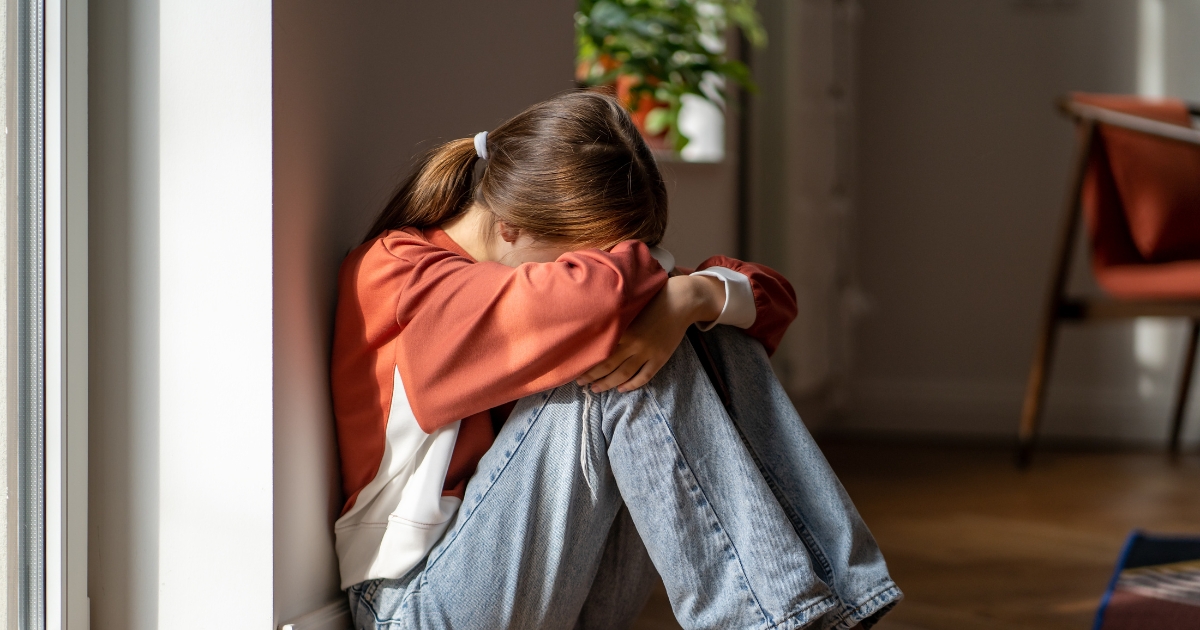
For teens experiencing this level of distress, the internal landscape feels fundamentally different from pre-test jitters or social nervousness. What does extreme anxiety feel like? Imagine your heart racing so fast you’re convinced something is medically wrong, your chest tightening until breathing becomes a conscious effort, and your mind generating worst-case scenarios faster than you can process them. Many teens describe a persistent sense of impending catastrophe even when logically they know nothing is immediately threatening them.
The physical sensations often include trembling hands, nausea that makes eating difficult, dizziness that disrupts concentration, and muscle tension that causes headaches and body aches. The cognitive component involves thought patterns that loop endlessly, spiraling from “What if I fail?” to catastrophic conclusions that paralyze rather than motivate.
How Parents Can Recognize Severe Anxiety Symptoms in Their Teen
Parents often notice behavioral changes before teens articulate what they’re experiencing internally. A previously social teenager might start declining invitations, making excuses to avoid gatherings they once enjoyed. School refusal — not occasional reluctance but persistent resistance to attending — frequently signals that anxiety has crossed into territory requiring intervention. Sleep disruption appears as difficulty falling asleep due to racing thoughts, frequent nightmares, or early-morning waking with immediate worry activation.
| Normal Teen Stress | Extreme Anxiety |
|---|---|
| Worry about specific upcoming events | Constant worry about multiple areas with no clear trigger |
| Nervousness that decreases after event passes | Persistent physical symptoms lasting weeks or months |
| Occasional sleep difficulty before big events | Chronic sleep disruption affecting daily functioning |
| Responds to reassurance and problem-solving | Reassurance provides little to no relief |
Parents should pay attention to these specific warning signs that indicate professional assessment is warranted:
- Repeated physical complaints or panic episodes involving intense fear, difficulty breathing, chest pain, feeling detached from reality, or fear of dying
- Complete withdrawal from peer relationships and previously enjoyed activities lasting more than two weeks
- Avoidance behavior that has expanded from one situation to multiple areas of life
- Expressions of hopelessness or mentions of self-harm
- Significant academic decline despite continued effort
When multiple signs of severe anxiety disorder appear together and persist for weeks, professional evaluation becomes essential to rule out conditions like generalized anxiety disorder or panic disorder.
If your teen expresses thoughts of self-harm or you’re concerned about their immediate safety, call or text 988 to reach the Suicide & Crisis Lifeline, available 24/7.
Anxiety Attack vs Panic Attack and Other Critical Distinctions
Understanding the difference between sustained extreme anxiety and acute panic episodes helps parents and teens identify what they’re dealing with and communicate effectively with healthcare providers. An anxiety attack typically builds gradually in response to a stressor — perhaps an upcoming presentation or social event — and can last hours or even days with fluctuating intensity. The teen remains aware of what triggered the anxiety and experiences persistent worry, tension, and physical discomfort that waxes and wanes.
A panic attack strikes suddenly with overwhelming terror — heart pounding, chest pain, feelings of unreality — typically resolving within 20-30 minutes. Many teens believe they’re dying, and fear of recurrence can create ongoing anxiety.
The decision framework for parents involves assessing three factors: duration (has this persisted for weeks or months?), intensity (do symptoms cause significant distress?), and functional impairment (is your teen unable to complete normal activities?). When anxiety meets all three criteria, professional assessment becomes essential regardless of whether it fits neatly into a specific diagnostic category.
Immediate Strategies Teens Can Use Right Now
Learning how to calm extreme anxiety starts with techniques that interrupt the escalation in the moment. When anxiety spikes, grounding techniques help redirect attention to the present moment. The 5-4-3-2-1 method asks teens to identify five things they can see, four they can touch, three they can hear, two they can smell, and one they can taste. This sensory focus disrupts the thought spiral and activates the parasympathetic nervous system. Cognitive reframing involves questioning catastrophic thoughts: “Is this thought based on facts or feelings? What evidence supports or contradicts this worry? What would I tell a friend having this thought?”
| Technique | When to Use | Expected Timeframe |
|---|---|---|
| Grounding exercises | During acute anxiety spikes | Relief within minutes |
| Box breathing | Physical symptoms like racing heart | Calming effect quickly |
| Progressive muscle relaxation | Tension and difficulty sleeping | Gradual relaxation |
| Thought challenging | Catastrophic thinking patterns | Perspective shift over several uses |
Managing severe anxiety naturally involves lifestyle modifications that support nervous system regulation. Regular physical activity reduces anxiety by metabolizing stress hormones and releasing endorphins. Sleep hygiene becomes critical, as anxiety and sleep problems create a vicious cycle. Establishing consistent bed and wake times, limiting screen exposure an hour before sleep, and creating a calming bedtime routine help regulate the nervous system. Limiting caffeine, eating balanced meals, and staying hydrated support a steadier mood.
When to Seek Help for Anxiety and What Treatment Looks Like
Professional intervention becomes necessary when anxiety persists despite implementing coping strategies, significantly impairs school or social functioning, or causes such distress that your teen’s quality of life suffers. If your teen experiences panic attacks, expresses hopelessness, or begins avoiding so many situations that normal development is disrupted, assessment by a mental health professional specializing in adolescents is warranted.
Cognitive Behavioral Therapy (CBT) teaches teens to identify anxious thought patterns and gradually face feared situations. Dialectical Behavior Therapy adds emotional regulation skills, while exposure therapy helps teens learn that anxiety decreases with practice. Crippling anxiety treatment at specialized facilities provides structured support when outpatient therapy isn’t sufficient — intensive programs offer multiple therapy sessions per week, skill-building groups, family involvement, and coordination with schools to support academic continuity during treatment.
Treatment effectiveness for teen anxiety is well-established, with most adolescents experiencing significant improvement within the first couple of months of consistent therapy, though complete symptom management may take several months depending on severity and individual factors. Early intervention typically leads to faster recovery and prevents anxiety from becoming a chronic pattern that extends into adulthood.

Reclaiming Calm at My Teen Mental Health
Watching your teenager struggle with overwhelming anxiety can feel helpless, but effective treatment exists, and recovery is not only possible but probable with the right support. At My Teen Mental Health, our specialized programs understand the unique developmental needs of teenagers and provide evidence-based treatment in an environment designed specifically for adolescents. If your teen is experiencing severe anxiety symptoms that interfere with daily life, reaching out for a confidential assessment is the first step toward reclaiming the adolescence they deserve — one where anxiety no longer makes the decisions.
FAQs
Parents and teens often have specific questions about recognizing and addressing severe anxiety. Here are answers to the most common concerns we hear.
1. What does extreme anxiety feel like compared to regular worry?
Extreme anxiety involves intense physical symptoms like chest tightness, difficulty breathing, racing heart, and feeling like you’re losing control, whereas regular worry typically stays in your head without major physical effects. This condition prevents teens from completing normal activities like attending school or socializing, while regular worry might cause nervousness but doesn’t stop you from functioning. The distress level is significantly higher and persists even when there’s no immediate stressor present.
2. How can I tell if my teen needs professional help or if this is just a phase?
Seek professional assessment when symptoms persist for several weeks, cause significant impairment in school or social functioning, or include panic attacks or expressions of hopelessness. A “phase” typically resolves within days to a couple of weeks and responds to reassurance or problem-solving, while clinical anxiety continues despite your best efforts to help. If your teen is avoiding multiple previously enjoyed activities or experiencing physical symptoms that doctors can’t explain medically, professional evaluation is appropriate.
3. What’s the actual difference between an anxiety attack and a panic attack?
Anxiety attacks build gradually in response to a specific stressor and can last hours or days with fluctuating intensity, while panic attacks strike suddenly, peak within 10 minutes, and typically resolve within a short timeframe. Panic attacks involve more intense physical symptoms including feeling detached from reality, fear of dying, and overwhelming terror, whereas anxiety attacks involve persistent worry and tension without the same level of acute terror. Understanding this distinction helps you describe symptoms accurately to healthcare providers.
4. Can my teen manage severe anxiety without medication?
Many teens successfully manage anxiety through evidence-based therapy like Cognitive Behavioral Therapy, lifestyle modifications, and coping skills training without medication. However, some cases benefit from combining therapy with medication, which a mental health professional determines through comprehensive assessment of symptom severity and functional impairment. The decision should be made collaboratively between your teen, your family, and qualified clinicians who specialize in adolescent mental health.
5. How long does treatment typically take before my teen feels better?
Most teens begin noticing improvement within the first several weeks of consistent therapy, though complete symptom management may take several months depending on severity and individual factors. Early intervention typically leads to faster recovery, and teens who actively practice coping skills between therapy sessions often progress more quickly.